
Art ID Registry: Hong Kong’s Key to Dominating the Global Art Hub for the Next 20 Years
To truly become a leading international art hub, Hong Kong cannot rely solely on West Kowloon, M+, or the major auction houses. To secure victory over the next two decades, it must position itself as the global art information hub. The decisive move? Establish a credible, internationally open Art ID Registry for artwork identity registration without delay.
Why the Urgency?
Today, whether traditional oil paintings, Chinese ink works, sculptures, or AI-generated art, the world faces one fatal pain point: lack of a reliable “ID”. Books have ISBNs, academic papers have DOIs, cars have VINs—but a multi-billion-dollar Zhang Daqian or Qi Baisheng painting, or even a signed limited-edition print, lacks a globally recognized unique identifier.
Transactions rely on paper certificates, verbal assurances, or expert eyes, leading to endless issues with fakes, forgeries, and ownership disputes. Mainland China already has the DCI 3.0 national standard using blockchain for registration; Europe and the US have C2PA for tamper-proof verification. Why is Hong Kong still lagging?
Hong Kong has unparalleled advantages: automatic copyright protection under common law, no sales tax, bonded warehouses at the airport, international arbitration, and world-class financial infrastructure. Combined with top-tier innovation hubs like Cyberport and HKSTP, it is the perfect global launchpad.
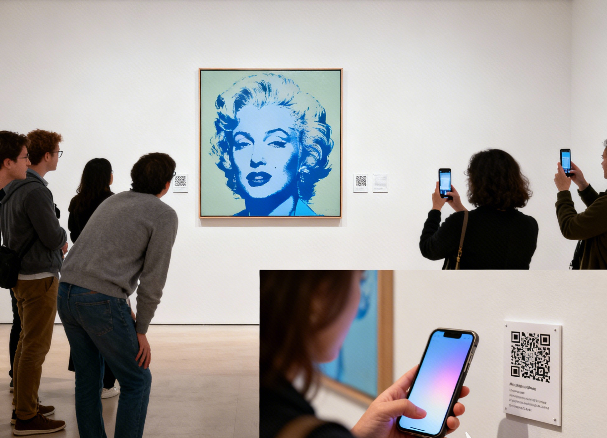
The latest DID:ART (W3C decentralized identity standard), paired with US- and China-patented Pi Code secure QR technology, can give every artwork—physical or digital, traditional or Gen-AI—an unbreakable digital ID. One scan reveals authenticity, creation date, ownership history, transaction records, and even AI prompts and contribution ratios, completely solving trust issues.
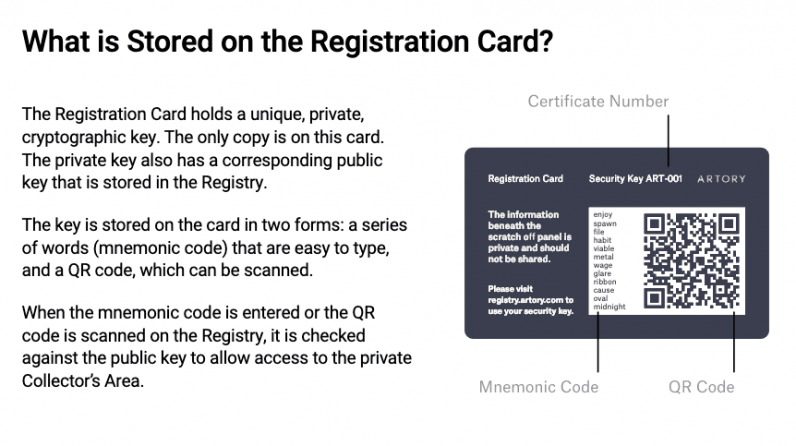
4,000 art auction houses are putting their sales records on the …
Five Major Benefits of an Art ID Registry
With an Art ID Registry in place, Hong Kong gains five immediate substantial advantages:
- Attract global collectors and galleries to store and trade artworks here. Instant verifiable registration reassures insurers, banks, and logistics providers, filling airport bonded warehouses, private storage, and CT9 facilities to capacity—turning Hong Kong into Asia’s largest physical art transit hub.
- Unlock trillions in liquidity for artworks as Real World Assets (RWA). Traditionally, liquidating art takes months or years; now, through RWA, a masterpiece can be fractionalized into 100, 1,000, or even 100,000 shares traded on compliant platforms. Retail investors can own “fragments” of Picasso or Zao Wou-Ki for tens of thousands of HKD, boosting market liquidity tenfold or hundredfold and creating a trillion-dollar new asset class for Hong Kong’s financial sector—welcoming funds, insurance, and pension investments.
- Position Hong Kong as the international ArtTech standards center. DID:ART seamlessly integrates with Europe’s C2PA, China’s DCI 3.0, and global AIS. In the future, galleries, auction houses, museums, and insurers worldwide will register works through Hong Kong first, naturally funneling information here—making Hong Kong the “United Nations of artwork identity.”
- Nurture and retain young creators and AI artists. Instant timestamped registration provides copyright protection without fear of theft; AI works can clearly document prompts and contributions. Young talents can confidently develop, sell, seek investment, and crowdfund in Hong Kong.
- Boost the entire ecosystem: Art transportation, exhibition curation, legal arbitration, asset management, and cultural tourism all upgrade, creating a ripple effect for youth entrepreneurship, jobs, tax revenue, and talent retention.
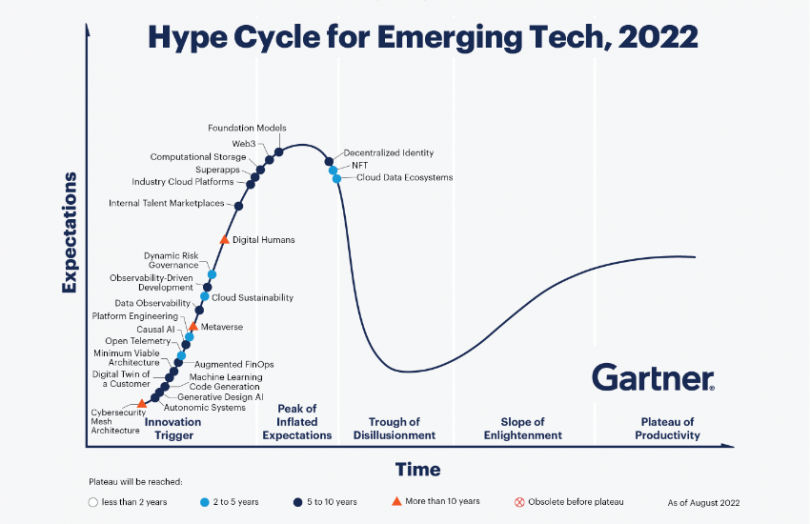
Gartner’s latest hype cycle rates metaverse as 10 year+ journey …
The AI Future Makes It Even More Critical
Especially from 2025 onward, AI-generated images, videos, music, 3D models, virtual fashion, and metaverse scenes will flood the market. Fortunately, the C2PA (Coalition for Content Provenance and Authenticity) standard is now mature—backed by giants like Adobe, Microsoft, Sony, and BBC. AI tools can embed invisible digital watermarks with one click, recording who used what prompt, model, and when.
But a watermark alone isn’t an identity! Without a public, trusted, decentralized Art ID Registry, artists’ works risk instant copying, unauthorized resale on secondary platforms, or misuse in further AI training. In contrast, self-registration in Hong Kong’s Art ID Registry—combined with C2PA watermarks and DID:ART—gives works a globally recognized “digital passport.” From creation to sale, transfer, exhibition, or museum accession, everything becomes traceable, verifiable, and accountable—truly protecting creators and ensuring market fairness and order.


The Window Is Now
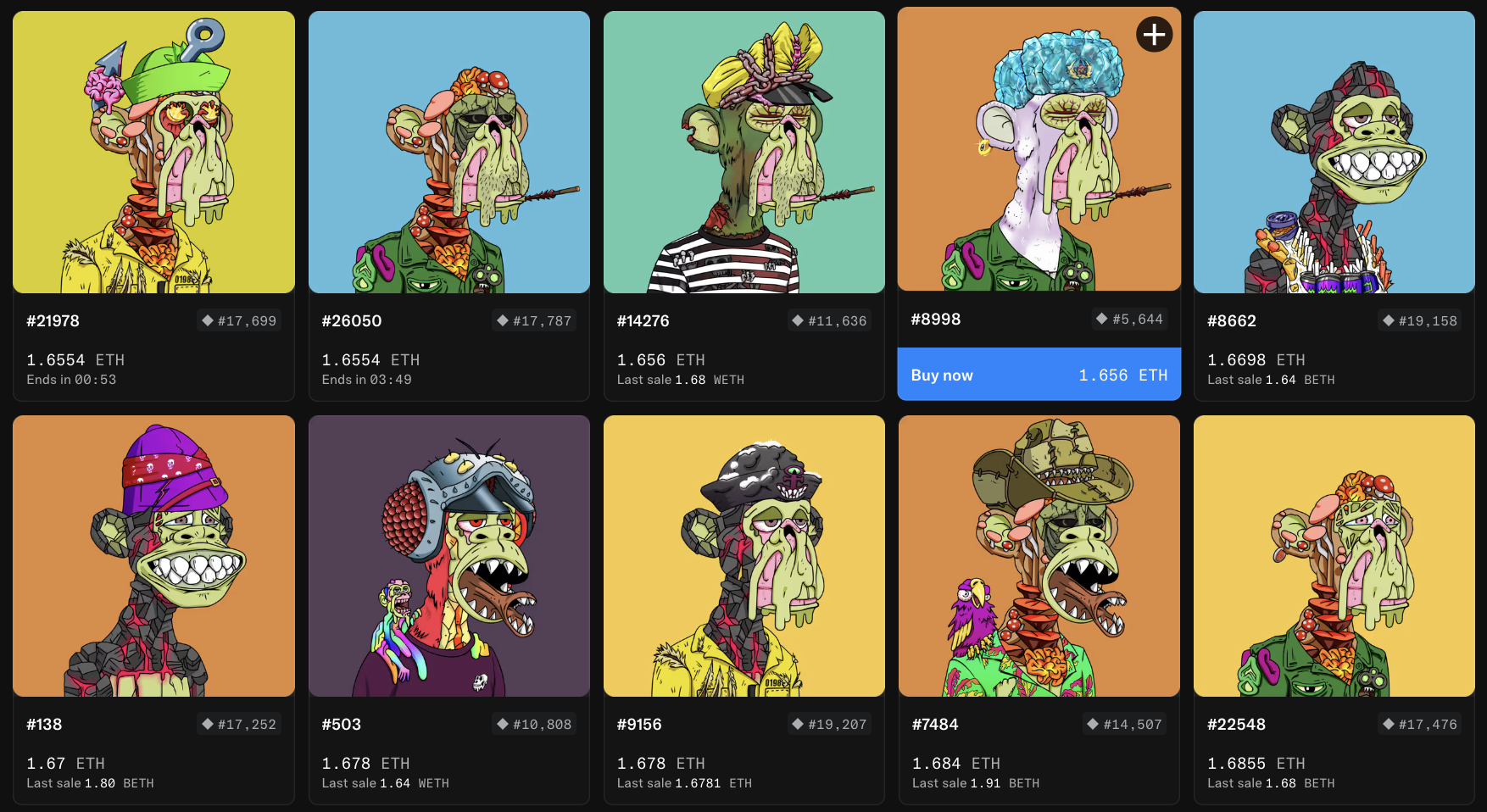
Gartner’s Hype Cycle makes it crystal clear: Blockchain and decentralized technologies were initially hyped to the “Peak of Inflated Expectations” by profile pictures and speculative trading, then crashed into the “Trough of Disillusionment.” But the real value has never been speculation—it’s immutable provenance tracking and record-keeping, building eternal trust for physical and digital artworks.
We are now climbing the “Slope of Enlightenment” toward the “Plateau of Productivity.” By fully supporting an Art ID Registry, Hong Kong seizes the most practical, long-term application of blockchain and AI in the art world—securing dominance in global art digital infrastructure for the next 20 years. Opportunities like this don’t wait—if we miss it, we lose big.
What do you think—time for Hong Kong to act?